







 1
1From the moment you receive the exciting news that you are pregnant the sacrifices begin. And it always starts with the good stuff - wine, soft cheese and caffeine. It's never the stuff you could easily give up like brussel sprouts or boiled cabbage.
And when you have mentally worked through all these sudden favourite food restrictions you then learn that you might have to give up your favourite moisturiser. In the words of our 12 year old “Wait.... what!?!?”
Yes, it is true - there are both synthetic and natural ingredients in your moisturiser that you might choose to avoid while you are pregnant. The confusing thing is that it’s not black and white.
It’s hard to get cold, hard answers because skincare ingredients usually aren’t studied in pregnant people in the same way medicines are. A lot of the information available is based on limited data, animal studies, ingredient chemistry, or what we know about much higher exposures than you’d usually get from applying a product to your skin.
Another reason why pregnancy skincare advice can feel so tricky is that individual circumstances matter. Your stage of pregnancy, how often you use a product, how much is absorbed through the skin, and your own comfort level with risk can all play a role.
Here at Woohoo Body we’ve done a lot of research into ingredients commonly flagged for caution during pregnancy and breastfeeding. Our range of natural deodorants and clean skincare is formulated with that caution in mind, with the exception of a couple of products that we suggest you may prefer to avoid during pregnancy if you’d rather take the conservative route. We’ll mention those at the end of this blog post so you don’t miss them and can refer back easily.
We feel very strongly about the importance of transparency and sharing the information we have, especially when you’re making choices for yourself and your growing baby. Some people might say we’re extra cautious, and honestly, that’s fair. We’d rather give you the information and let you decide what feels right for you.
As you browse through our website you’ll notice the ‘Made Safe’ and ‘Toxic Free’ accreditations on our products. These have been awarded by Safe Cosmetics Australia after review of our formulas against their standards. We see them as a helpful extra layer of reassurance, but not as a substitute for personalised medical advice if you have specific concerns during pregnancy.
But while it’s good to know which ingredients are often considered lower risk, it’s probably even more important to know which ones people commonly choose to avoid.
The following list explains some of the ingredients that we choose to avoid, minimise or flag for extra caution during pregnancy. We hope this gives you a clearer starting point as you decide what feels right for you and your bubba :)
Vitamin A (also known as Retinyl palmitate, Retinoic Acid, Retinaldehyde, or Retinol)
Too much Vitamin A can be a problem during pregnancy, which is why retinoids are generally the big one people are advised to avoid. Even though topical skincare products are absorbed very differently from oral Vitamin A medicines, many doctors and dermatologists still recommend steering clear of retinoid products during pregnancy to be on the safe side.
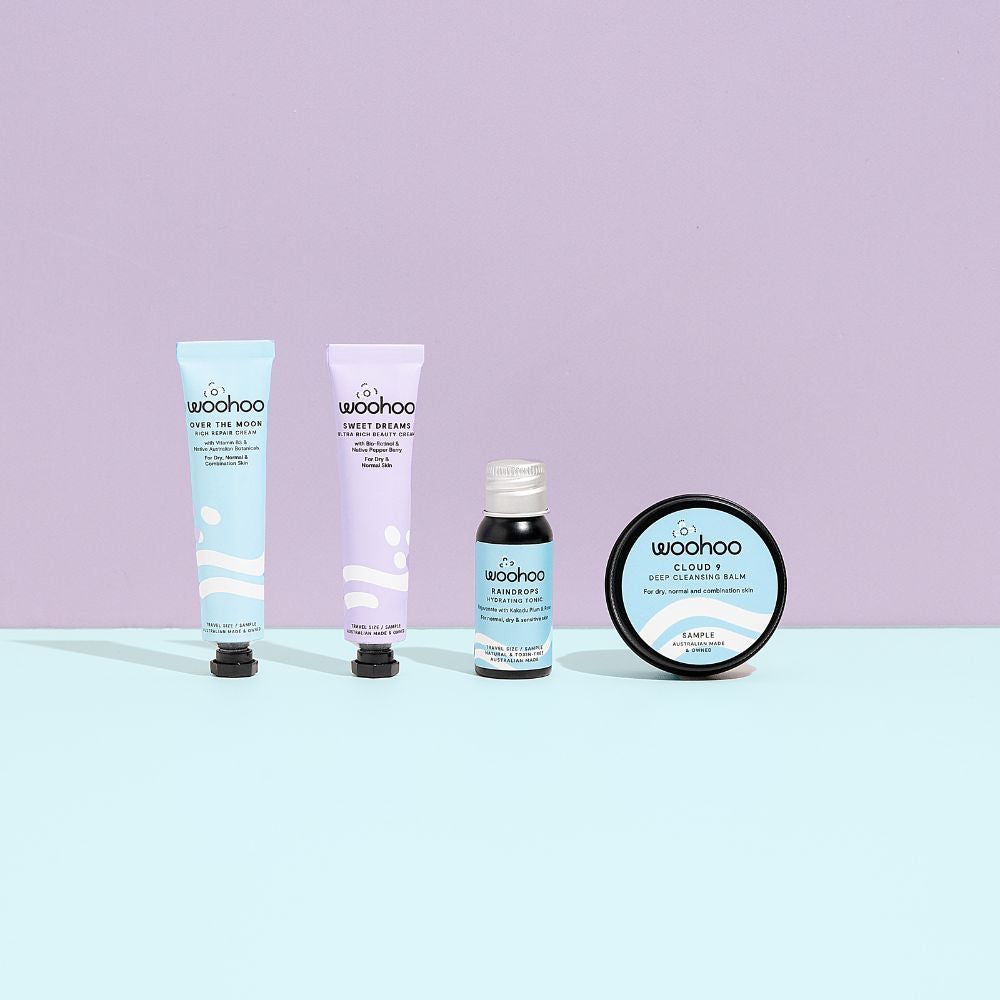
But that doesn’t mean you need to abandon every glow-boosting ingredient in your routine. Some of our favourite Woohoo creations like the Make My Day Bio-Retinol Gel Cream, FG Serum 02 - Clear and the Sweet Dreams Ultra Rich Beauty Cream use ingredients chosen as alternatives to retinoids. They’re not the same thing as Vitamin A, but they can still help support smoother, healthier-looking skin without using a retinoid ingredient.
Aluminium Chloride Hexahydrate
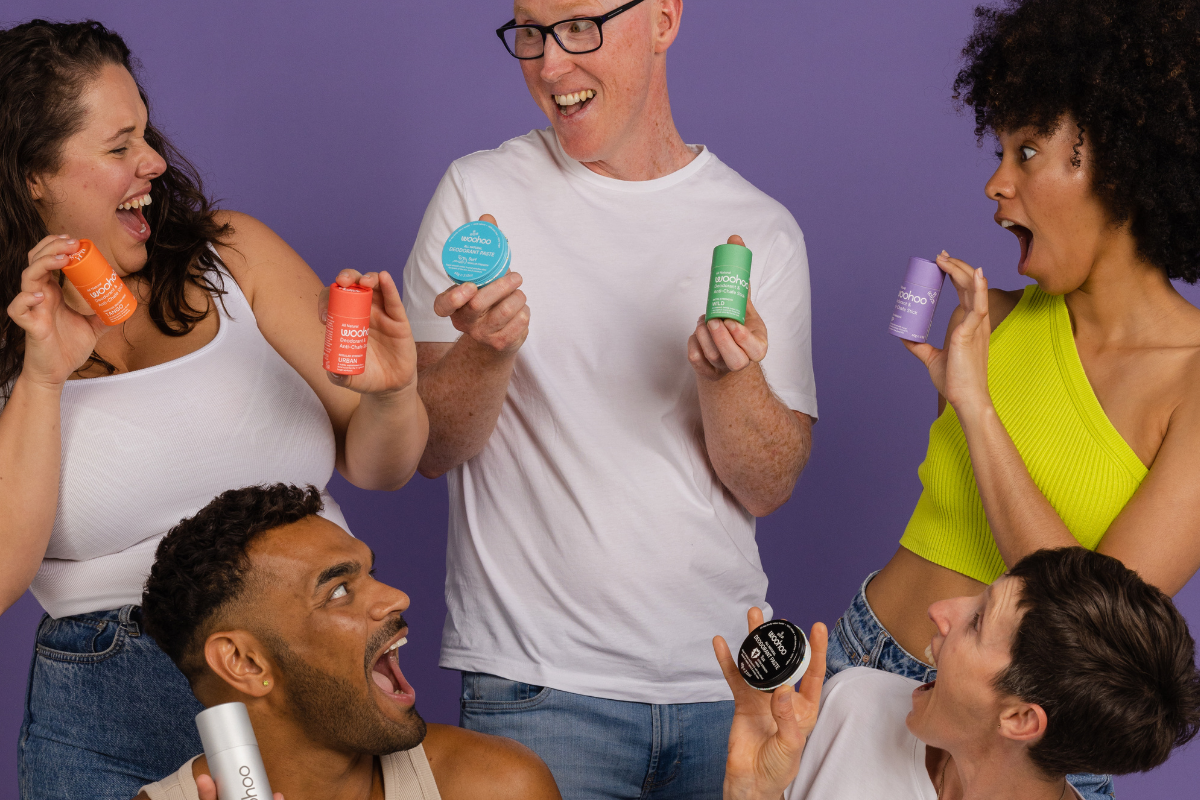
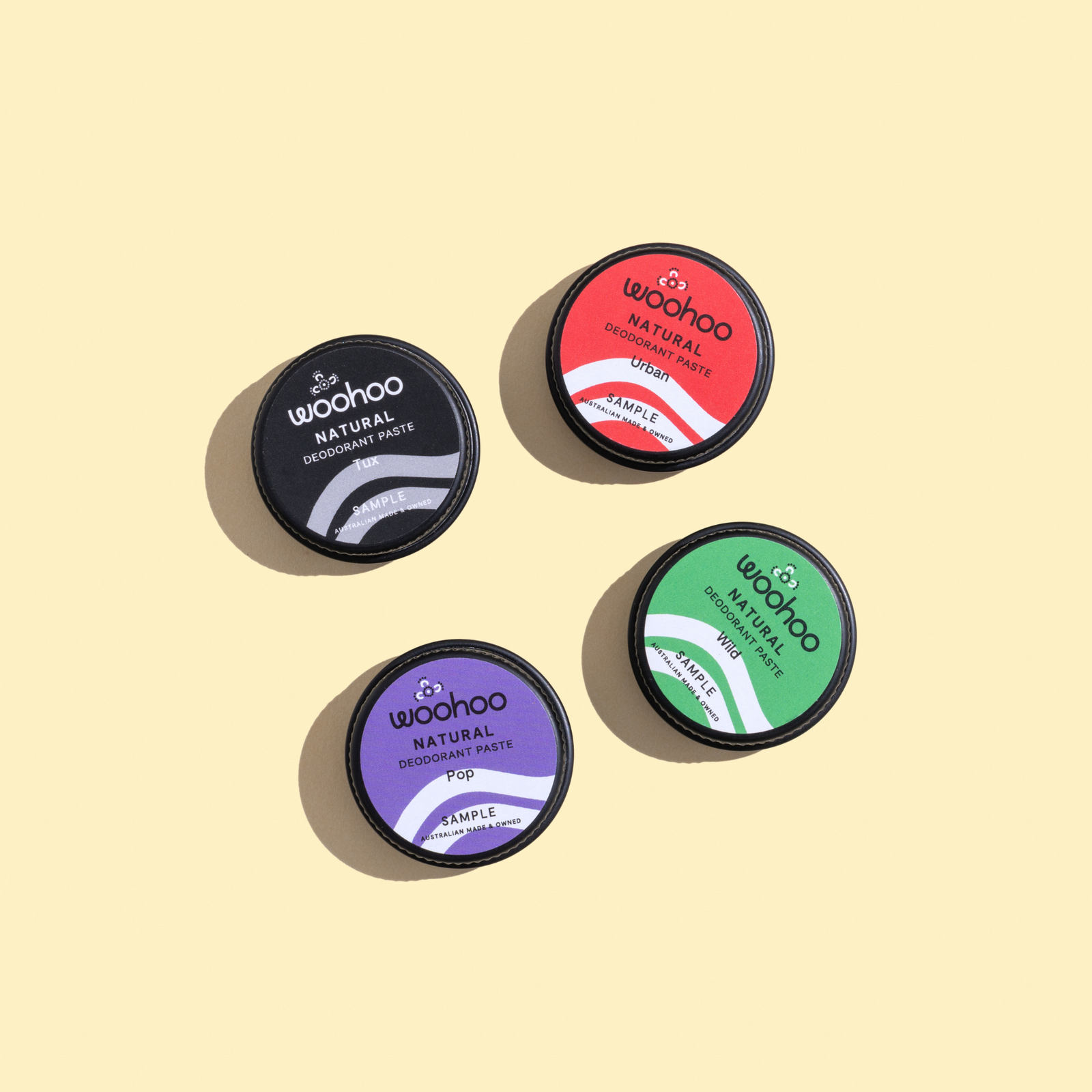
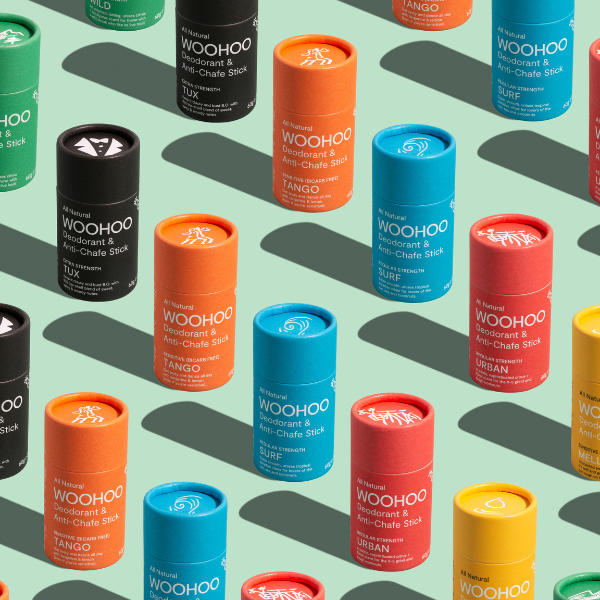
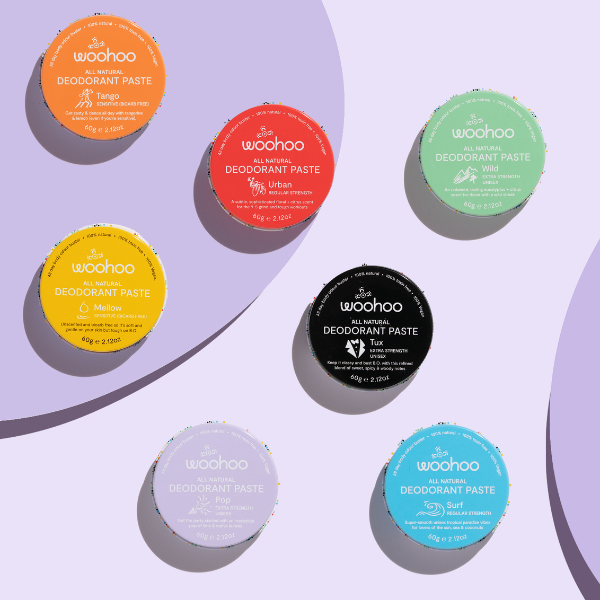
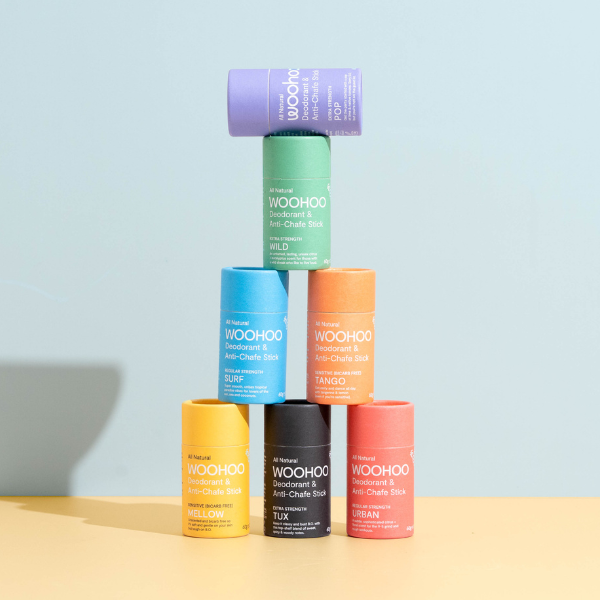
Aluminium Chloride Hexahydrate is used in antiperspirants to reduce sweating. Pregnancy data on topical antiperspirant ingredients is limited, and many people prefer to avoid them during pregnancy unless their doctor advises otherwise. If you’d rather play it safe, Woohoo Body has a natural deodorant option for you to switch to :) Check out our full range of deodorants here.
Formaldehyde
Formaldehyde is most commonly discussed in relation to nail products and some hair treatments, but skincare and cosmetic products can also contain formaldehyde-releasing preservatives. Because formaldehyde exposure is something many pregnant people prefer to minimise wherever possible, this is one we think is sensible to avoid.
Check your skincare labels for DMDM hydantoin, diazolidinyl urea, hydroxymethylglycinate, imidazolidinyl urea and quaternium-15 as these are ingredients that can release formaldehyde.
Salicylic acid
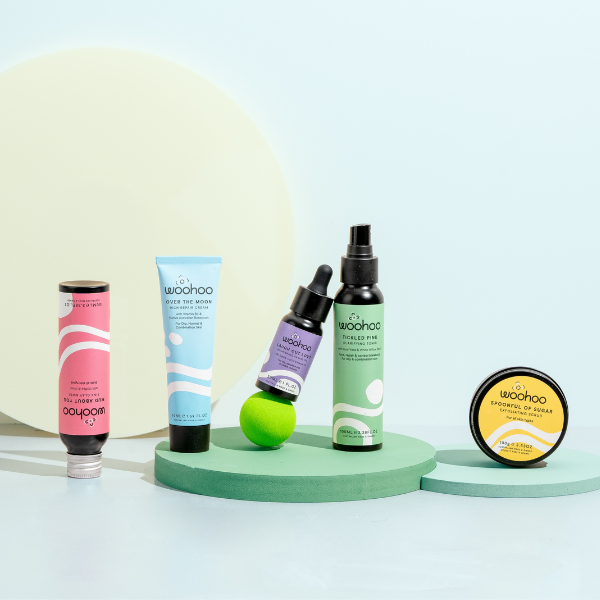
Salicylic Acid is one of those ingredients where the dose and type of product matter. High-strength treatments and peels are the versions most commonly flagged for caution during pregnancy, while limited use of lower-strength topical products is often considered lower risk. We do use a small amount of Salicylic Acid in the This Is Me Enzyme Exfoliating Mask, so if you’d prefer to avoid it completely during pregnancy, we have other exfoliating options in the Spoonful of Sugar Exfoliating Scrub and the Mud About You Pink Clay Mask which uses a gentle polyhydroxy acid rather than Salicylic Acid.
Phthalates
Phthalates can be used in some fragranced products and are often discussed because certain phthalates have raised concerns around hormone disruption. The evidence in cosmetics is not always straightforward, but they’re still an ingredient group many people prefer to avoid during pregnancy out of caution. That’s one reason they’re on our avoid list too.
Essential Oils
Essential oils during pregnancy are genuinely confusing. Information is limited, advice can vary, and different oils raise different questions. It can also depend on how the oil is used, the concentration, and what stage of pregnancy you’re at. For example, clary sage is often discussed differently late in pregnancy than it is earlier on.
When essential oils are diluted in a skincare product, exposure is usually much lower than it would be with concentrated oils. That said, there isn’t a single magic percentage that makes every essential oil universally pregnancy-safe. In our deodorants and skincare products, essential oils are used at low levels, but if you’d prefer to avoid them entirely during pregnancy, that’s a completely reasonable choice.
For those who want to avoid essential oils completely we have many unfragranced and essential oil free skincare and deodorant options which you can check out here.
Black Seed Oil
Black Seed Oil is sometimes flagged because of concerns linked mainly to supplement use and ingestion. There isn’t much pregnancy-specific data on topical use in skincare, so we take the conservative approach and suggest avoiding it during pregnancy if you’d rather keep things simple.
Recap: Woohoo Body products to avoid during pregnancy
As we mentioned above, we do tend to err on the side of being extra cautious, so with that in mind, you may prefer to avoid the following products during your pregnancy:
- This Is Me Enzyme Exfoliating Mask (contains a small amount of Salicylic Acid, which some people choose to avoid completely during pregnancy)
- Black Seed Oil (limited pregnancy-specific data for topical use, so we take the conservative route and suggest avoiding it)
Do what feels right for you
This is not a definitive list, and there are other ingredients you may want to ask about too. If you’re ever unsure, we’re always here to help and to point you towards the full ingredient lists for our products.
The most important thing is to do what feels right for you, and if in doubt, ask your doctor, midwife or pharmacist. While we can’t offer medical advice, we’ll do our best to help you understand our ingredient choices so you can make an informed decision about which skincare and deodorant products to use during your pregnancy.
Please note that this blog does not contain medical advice and is for informational purposes only. It is not intended to be a substitute for professional medical advice. If you are pregnant or breastfeeding and have concerns about a specific product or ingredient, we recommend that you consult your healthcare professional and refer them to the ingredient list on our website.