Fermentation Isn’t Just For Kombucha: How It Works in Skincare
Unless you've been living under a rock, you've probably caught wind of the fabulous world of fermented foods (oh hey there, kombucha, kimchi, and kefir!).
And it's not just the flower children singing the praises of these tangy goodies anymore. Now everyone and their nan are boarding the "happy gut flora" express.
But hold onto your pickles, folks, because this ancient food-preservation method isn't just a treat for your tummy (and tastebuds)… it's found its way into skincare too!
What is fermentation?
Before you reach for that extra serving of sauerkraut, let's back up a bit.
Fermentation dates back to the Neolithic age (approximately 12,000 years ago). It's basically tiny living things, like yeast and bacteria, converting sugars into acids, gases or alcohols. It's how we get bread, yoghurt, beer and, yep, kombucha.
In skincare, fermentation is a way of making ingredients. The microbes do the work, and what they make goes into the formula.
How fermentation works
Fermentation can turn one ingredient into another, or make an ingredient that would be hard to get any other way. Some of the ingredients it makes are exactly the same molecules your skin makes itself.
Hyaluronic acid is a great example. Your skin already makes its own, and the hyaluronic acid in our skincare is the very same molecule, made by fermentation. It helps your skin hold on to moisture.
One thing worth knowing: a "ferment" on an ingredient list isn't a live culture, so we don't call our fermented ingredients probiotics.
Our favourite fermented ingredients for skincare
Guess what?
We've been using fermented ingredients in our Woohoo products for years, way before matcha lattes were even a glimmer in your barista's eye.
Here are the ones you'll find in our range right now.
Bacillus ferment
This one comes from a strain of Bacillus (a type of bacteria) first found in an Italian thermal spring. It's what we call a biotech ingredient, and it helps calm the look of redness.
Hyaluronic acid
All the hyaluronic acid we use is made by fermentation, and it's the same molecule as the hyaluronic acid in your skin. It's a humectant, which means it draws water into the skin's surface and helps your skin hold on to moisture.
Papaya ferment
Papaya fruit fermented with Lactobacillus (a type of lactic acid bacteria, the kind used to make yoghurt). It's a skin conditioning ingredient, there to help keep your skin in good condition.
Join the Fermented Fiesta
Ready to give these a try? Look no further than these delightful Woohoo creations:
If your skin is on the dry side and you'd like it to look calmer…
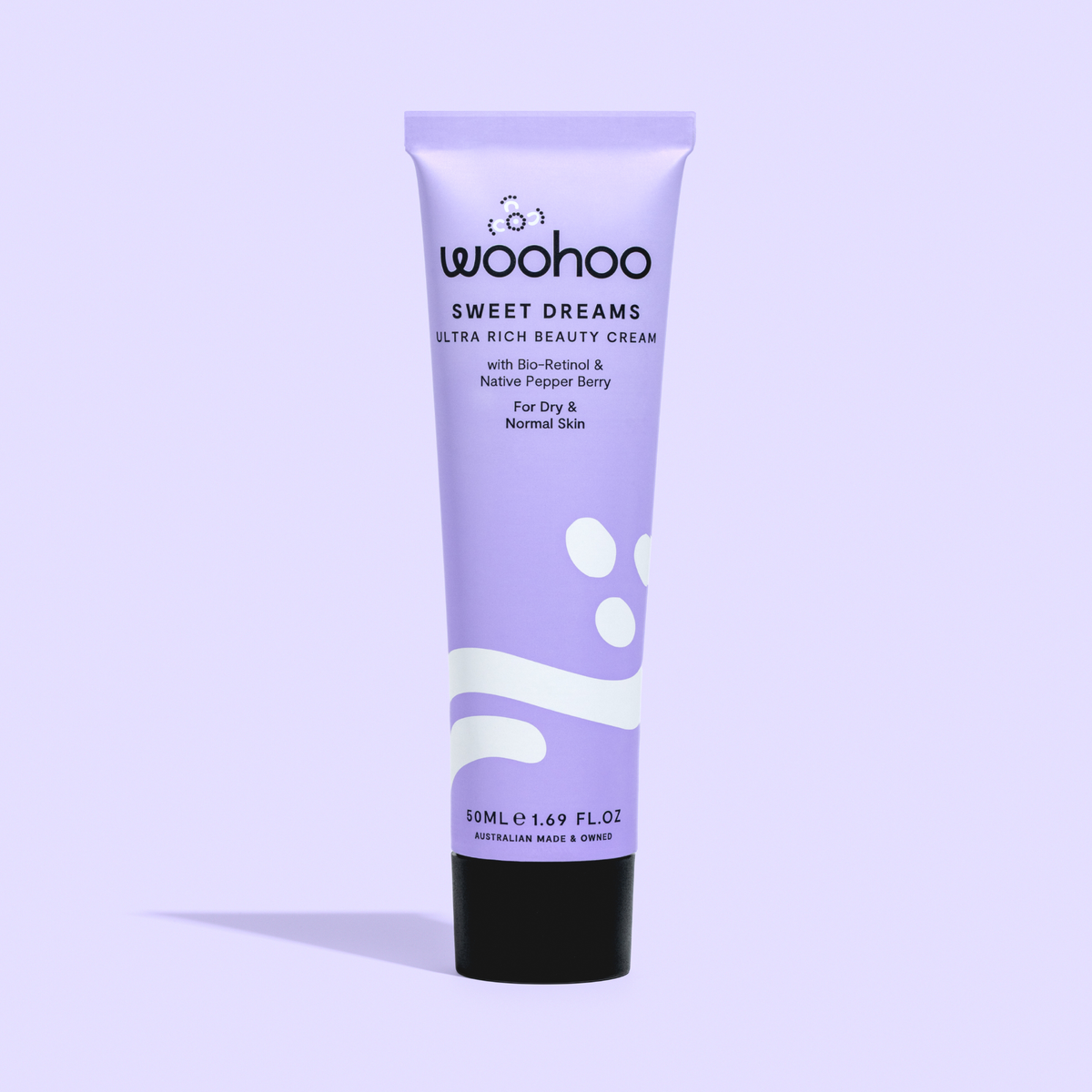
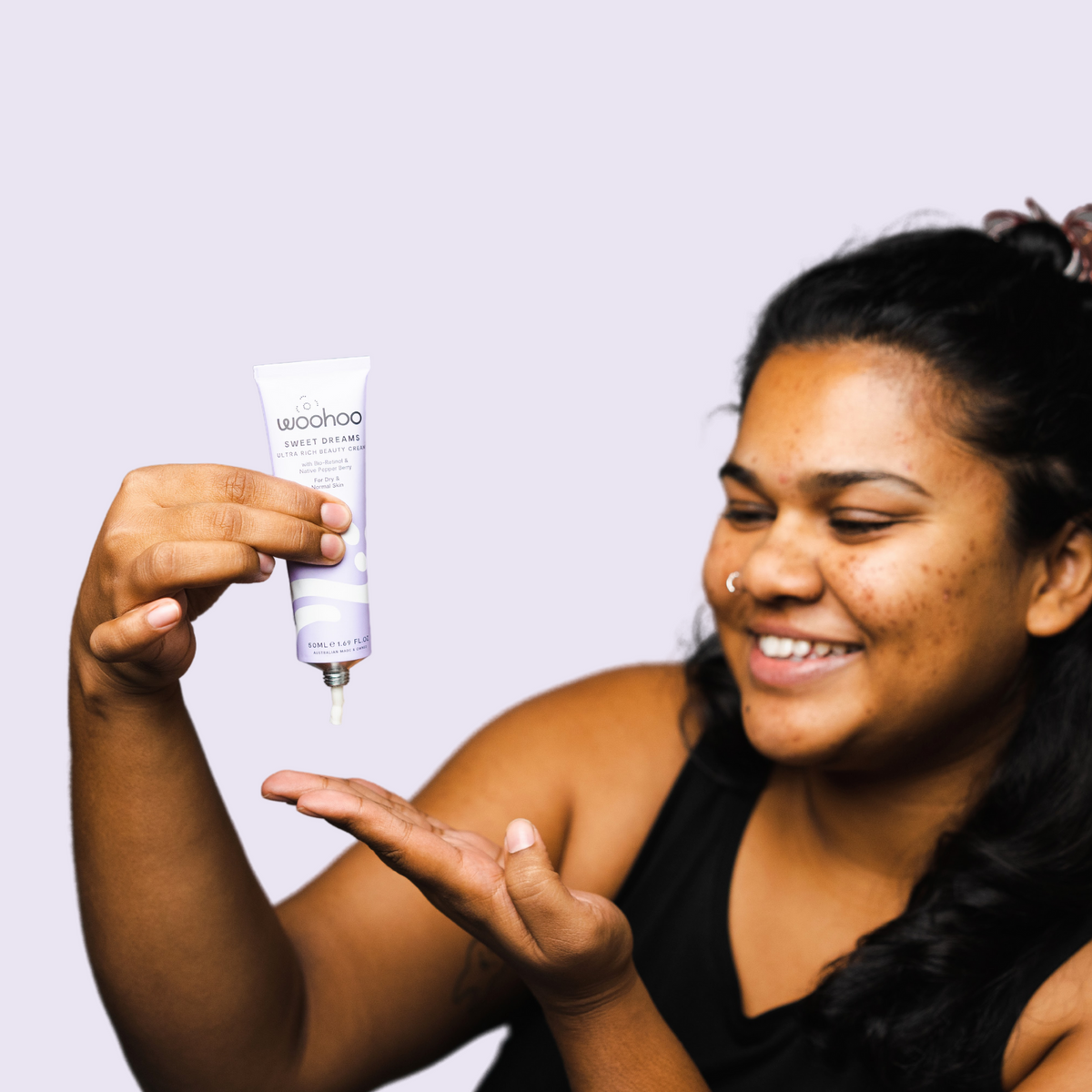
- 'Sweet Dreams' Night Cream (Ultra Rich) has Bacillus ferment to help calm the look of redness, plus Saccharide Isomerate, a humectant that helps your skin hold on to moisture and helps reduce the look of dry, flaky skin.
Softer-looking fine lines, calmer-looking skin
Unscented
If you're after lightweight hydration…
- 'Make My Day' Bio-Retinol Gel Cream is a light gel cream with hyaluronic acid made by fermentation, to help your skin hold on to moisture without feeling heavy. It's a good pick for oily and combination skin.
Ultra-light hydration, softer-looking fine lines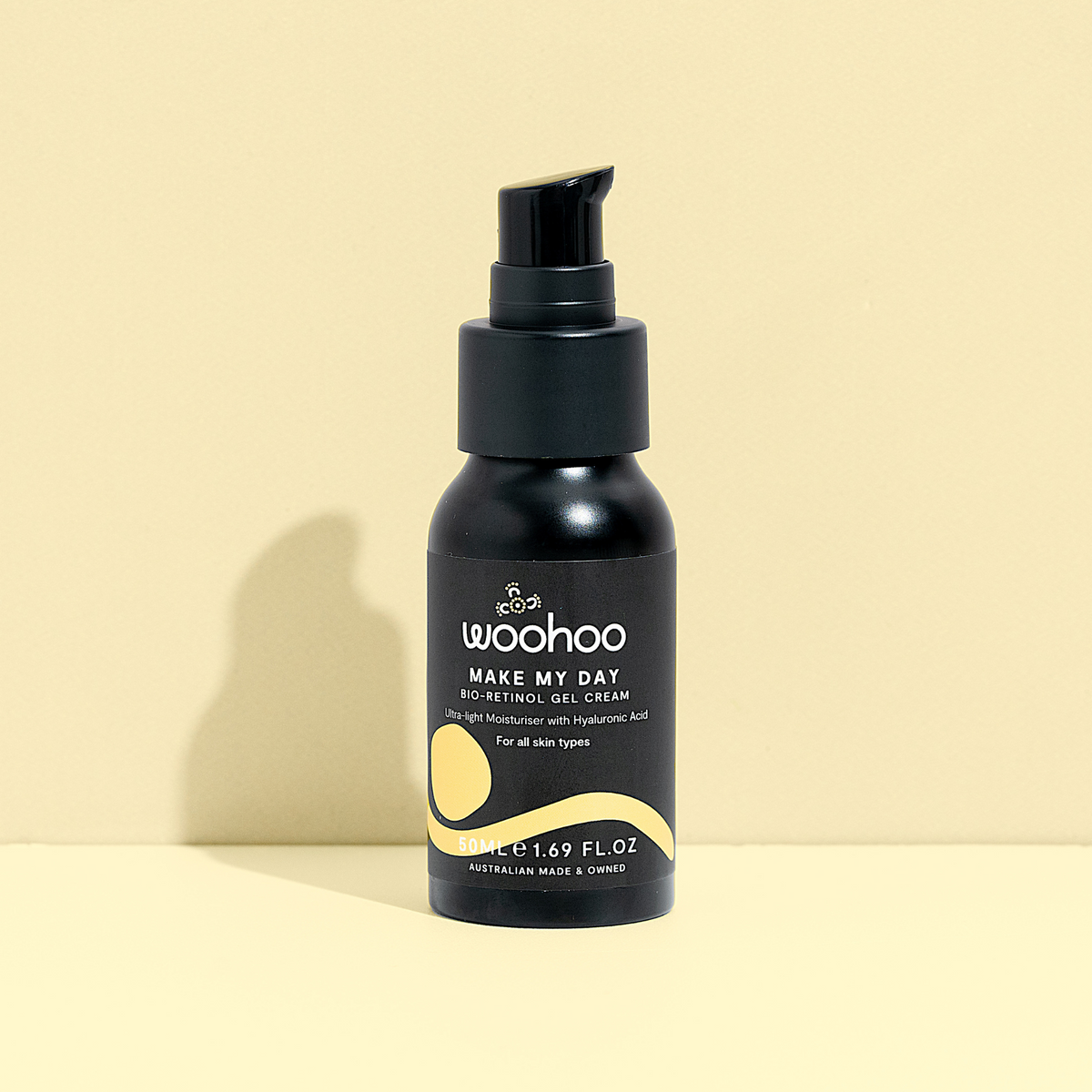

If you love a light moisturiser with a fresh scent…
- 'Perfectly Happy' Light Vitamin C Cream includes papaya fermented with Lactobacillus, alongside Aussie natives Kakadu plum and quandong.
Soft, smooth skin with antioxidant support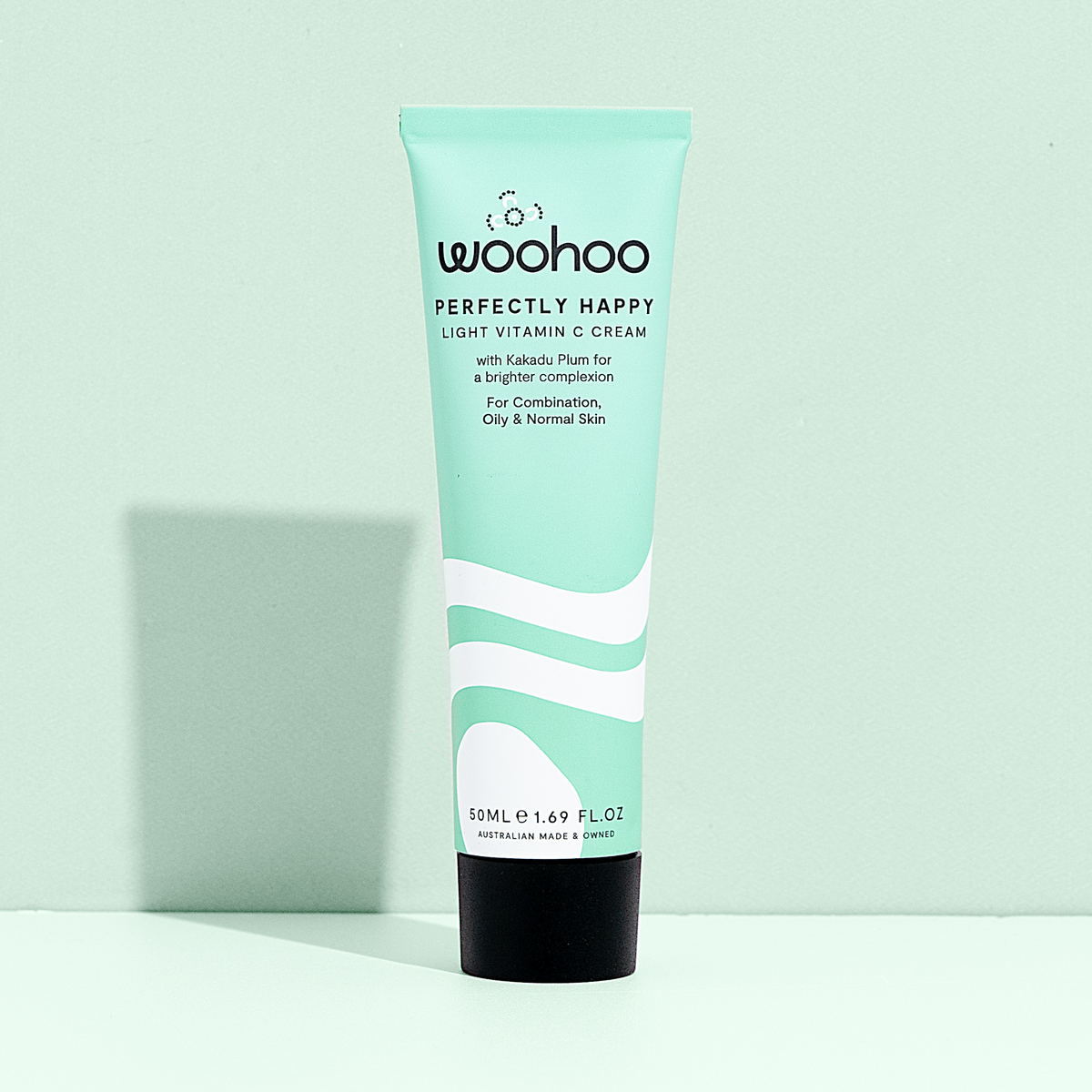
So if you've ever wondered why "ferment" pops up on our ingredient lists, now you know: tiny microbes doing what they do best, and making some pretty handy ingredients along the way.
Curious how fermented ingredients sit alongside natural and nature-identical ones? We've explained natural, nature-identical and biotech ingredients here.
Let's toast to that, with a glass of kombucha, of course! 🥂